Nail Fungus Debridement: What a Podiatrist Actually Does
If a podiatrist has suggested “debridement” for a thick, fungal toenail, it’s a less intimidating procedure than the word makes it sound — closer to a professional, thorough nail trim than anything surgical. It’s also a step that home clipping usually can’t fully replicate.
What it actually involves
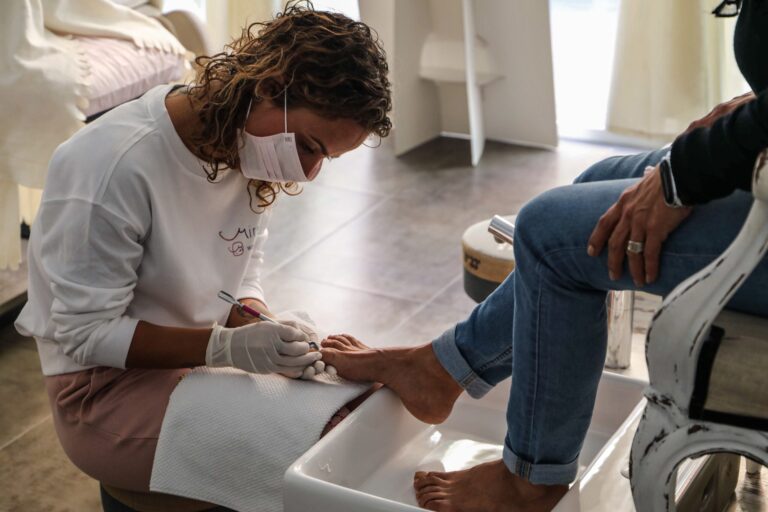
Debridement means mechanically removing the thickened, damaged, or infected part of the nail — trimming it down, filing away bulk, and clearing debris out from under the nail plate. A podiatrist typically uses proper clippers rated for thick nails, a rotary tool (a small, controlled drill-like instrument) to thin dense areas, and sometimes a curette to clean out material trapped underneath. It’s done in-office, takes a matter of minutes, and generally causes little to no pain since the nail itself has no nerve endings — though the surrounding skin can be sensitive if it’s already irritated.
Why it’s not just “getting a pedicure”
A few things separate this from a cosmetic nail trim:
- Sterile, medical-grade instruments rather than shared salon tools, which matters for anyone with a compromised immune system or diabetes.
- Precision around a nail that’s already thickened or crumbling — a badly affected nail is easy to damage further with the wrong tool or technique.
- Assessment alongside the trim — a podiatrist is looking at the nail bed, checking for signs the infection has progressed, or spotting something that isn’t actually fungus while they’re at it.
Does it treat the infection?
Not on its own — debridement is supportive, not curative. What it does is make everything else work better: a thinner nail lets a topical antifungal actually reach the nail bed instead of sitting uselessly on a thick, dense surface, and removing bulk reduces pressure and discomfort from shoes. Most prescribers recommend it alongside a topical or oral treatment, not as a replacement for one. Our ranked guide to toenail fungus treatment covers where debridement fits relative to the actual antifungal options.
How often it’s done
For an ongoing infection, your podiatrist will set the interval, often timed alongside follow-up visits to check treatment progress. Some people with recurring thick nails — even after the infection clears — keep up periodic debridement simply because home clipping can’t manage a badly thickened nail safely, especially with reduced sensation or vision.
What it costs
In the US, debridement is often billed as a covered procedure under Medicare and many insurance plans when there’s a documented medical reason (mycotic nails causing pain, or a qualifying condition like diabetes with reduced sensation), which can make it cheaper out of pocket than it sounds. Without coverage, expect a modest per-visit fee rather than anything close to prescription drug costs. Our full cost breakdown puts it alongside every other treatment option so you can see the whole picture.
Who should get it done professionally, not at home
Frequently Asked Questions
Does debridement hurt?
The nail itself has no nerves, so the procedure is usually painless or mildly uncomfortable at most. Sensitive or inflamed surrounding skin can feel tender.
Is nail debridement covered by insurance?
Often, when there’s a documented medical reason like pain, a qualifying condition, or a confirmed infection — check with your specific plan, since coverage rules vary.
Can I do debridement myself at home?
Light trimming and filing is fine for most people, but a badly thickened nail, or reduced sensation from diabetes, is when a professional does it more safely than a home attempt.
What to Read Next
- Best toenail fungus treatment, ranked by evidence
- What toenail fungus treatment really costs
- Podiatrist or dermatologist: who to see
Disclosure: we may earn a commission from affiliate links on this page at no cost to you. This is general information, not medical advice — see our medical disclaimer and affiliate disclosure.